
 EN
EN
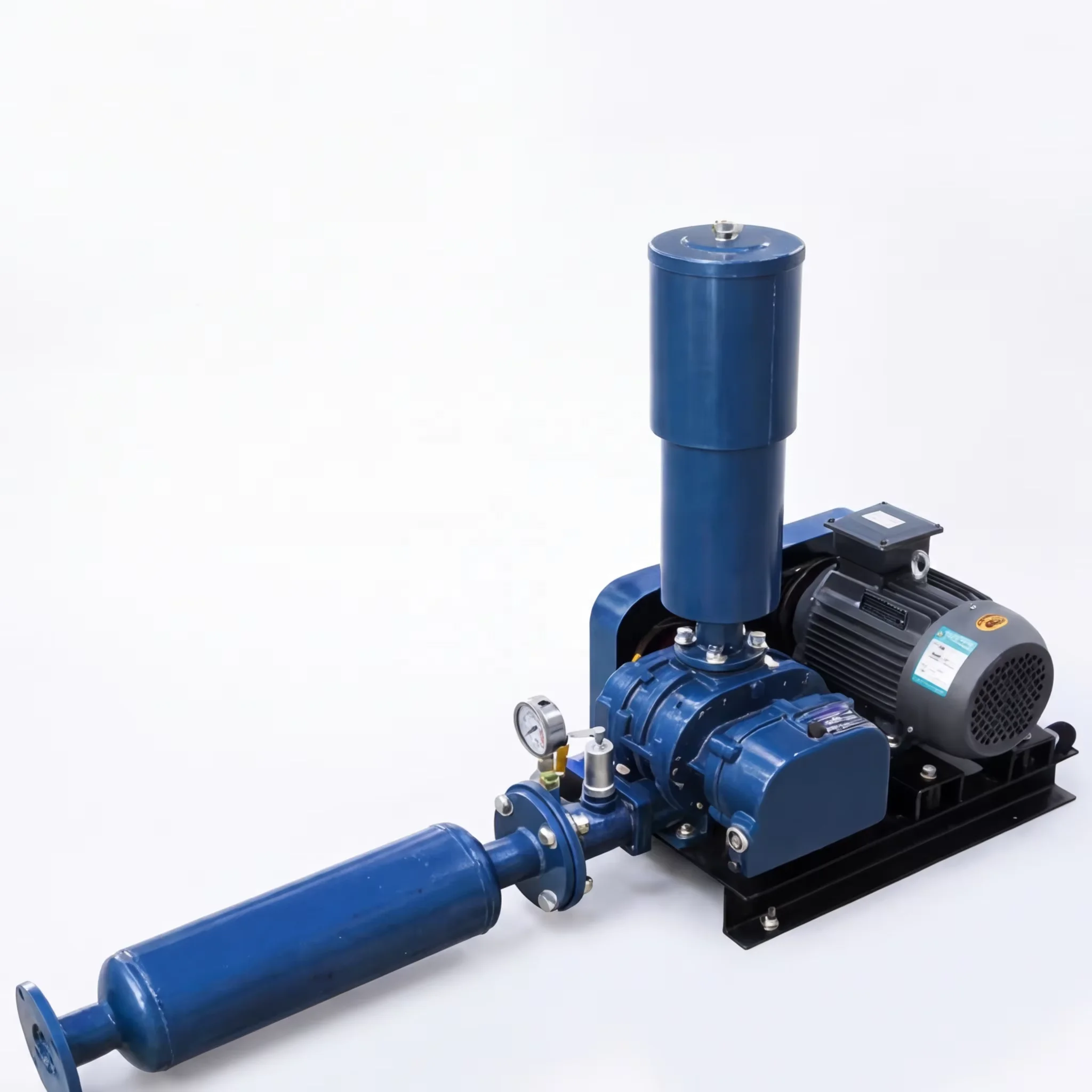
A lobe roots blower is engineered to deliver consistent, reliable performance even when operating under demanding industrial conditions. Understanding how these machines function under stress is critical for businesses that depend on continuous air or gas transfer. Whether in wastewater treatment, pneumatic conveying, or aeration systems, the lobe roots blower proves its value through dependable operation when pressure spikes and throughput demands intensify.
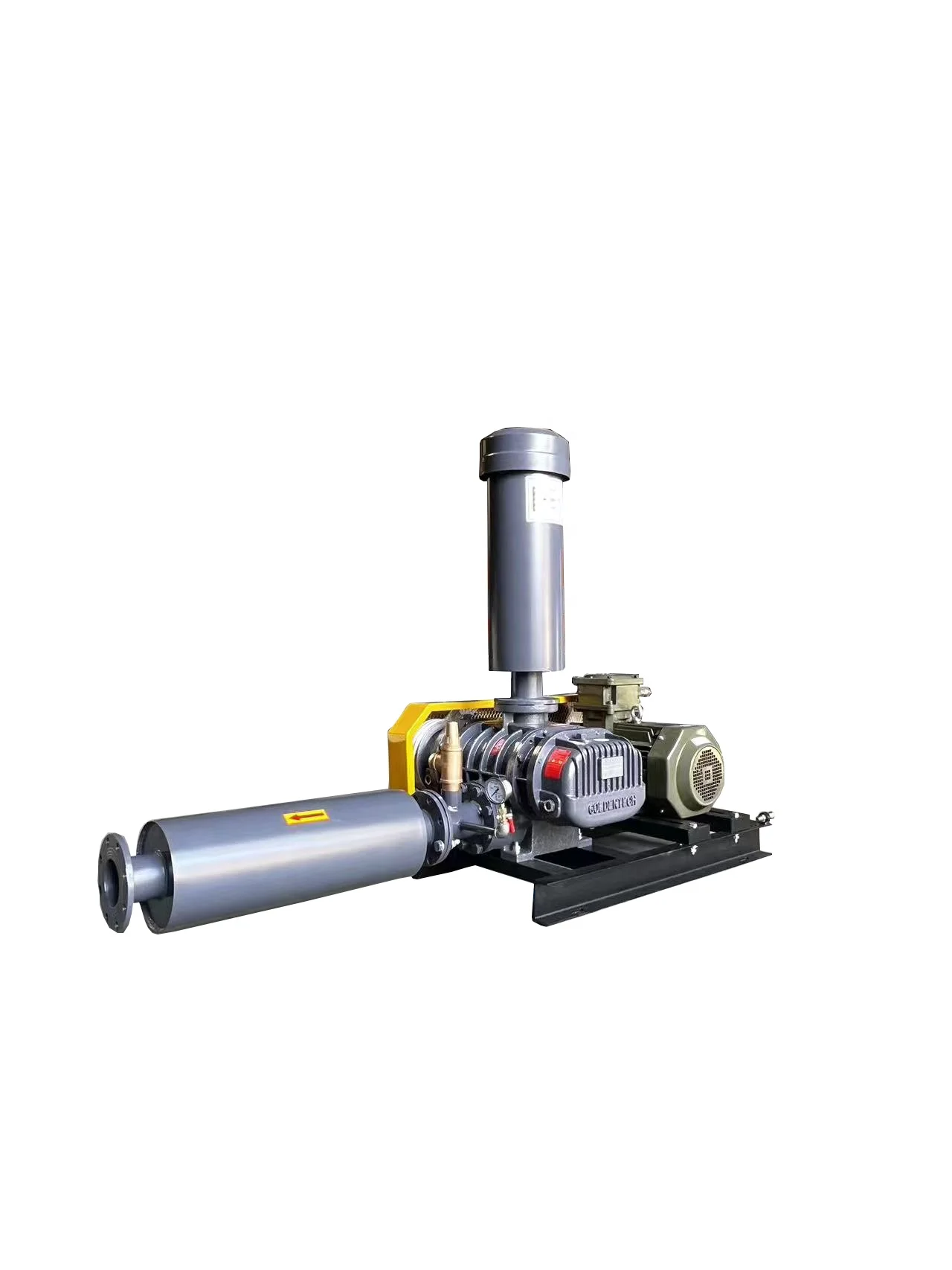
High-demand working conditions test every component of a rotary lobe compressor performance specifications regime. The positive displacement blower applications sector requires machines that maintain output consistency, handle temperature swings, and resist wear over extended operational periods. Modern lobe roots blower designs incorporate advanced materials, precision engineering, and integrated lobe blower noise reduction technology to meet these stringent requirements while minimizing downtime and maintenance costs.
Rotary Lobe Compressor Performance Specifications Under Pressure
Flow Rate Stability and Pressure Handling
The rotary lobe compressor performance specifications define how a lobe roots blower responds to varying demand cycles. These machines generate flow through two intermeshing lobes that rotate in opposite directions, trapping and displacing gas without internal compression. In high-demand scenarios, maintaining constant volumetric displacement is essential. The lobe roots blower design ensures that flow output remains linear across pressure ranges, even when downstream resistance increases sharply. This characteristic makes positive displacement blower applications suitable for critical processes where flow consistency determines product quality and system efficiency.
Temperature Rise and Thermal Management
Operating under sustained high pressure creates internal heat that affects rotary lobe compressor performance specifications. A lobe roots blower generates temperature rise proportional to the pressure differential and inlet temperature. Advanced cooling systems, including oil-flooded designs and external heat exchangers, help manage this thermal load. When positive displacement blower applications demand continuous operation at elevated pressure, thermal stability becomes decisive. Manufacturers specify maximum allowable discharge temperatures to protect both the machine and connected equipment. The lobe blower noise reduction technology integrated into modern units often includes insulation that provides secondary thermal management benefits.
Durability and Mechanical Reliability in Intense Operations
Bearing and Seal Performance
High-demand conditions place intense stress on bearing systems and dynamic seals within a lobe roots blower. The rotary lobe compressor performance specifications include bearing load ratings and expected service intervals under continuous duty. Modern designs use angular contact bearings and tapered roller bearings that distribute forces evenly across multiple contact points. Positive displacement blower applications in mining, pneumatic conveying, and wastewater systems require seals that resist abrasive particles and chemical exposure. Precision-engineered lip seals and mechanical seals in current lobe roots blower models extend service life significantly compared to earlier generations, reducing unplanned downtime.
Material Selection and Wear Resistance
The choice of materials directly influences how a lobe roots blower performs when subjected to sustained high pressure and challenging environments. Rotary lobe compressor performance specifications increasingly specify ductile iron or aluminum alloy housings combined with hardened steel lobes. These material combinations balance weight, thermal conductivity, and resistance to corrosion. In positive displacement blower applications involving corrosive gases or moisture-laden air, coatings and specialized alloys enhance longevity. Manufacturers conduct accelerated life testing to validate that their lobe roots blower designs meet durability claims under worst-case scenarios, ensuring predictable performance throughout the equipment lifecycle.
Noise Control and Operational Efficiency
Lobe Blower Noise Reduction Technology Integration
Industrial environments demand quieter operation, and lobe blower noise reduction technology has evolved significantly. Modern lobe roots blower systems incorporate helical lobe profiles instead of traditional straight lobes, which reduces pulsation and associated noise. The rotary lobe compressor performance specifications now commonly include acoustic ratings measured in decibels. Positive displacement blower applications benefit from optimized inlet and outlet port timing that smooths gas flow transitions. Advanced silencers with multi-stage absorption materials, combined with vibration isolation mounts, allow a lobe roots blower to operate in noise-sensitive industrial areas without disturbing surrounding operations or personnel.
Energy Efficiency Under Load
Efficiency remains critical when a lobe roots blower operates under high-demand conditions continuously. The rotary lobe compressor performance specifications indicate power input versus actual flow output, revealing efficiency curves across the pressure range. Positive displacement blower applications achieve better overall efficiency through precision manufacturing that minimizes internal leakage. Variable frequency drive integration allows operators to match lobe roots blower speed to actual demand, reducing energy waste during partial-load periods. Lobe blower noise reduction technology, particularly helical lobe designs, also contributes to improved efficiency by lowering internal friction and pressure losses.
FAQ
What makes a lobe roots blower suitable for continuous high-pressure operation?
A lobe roots blower maintains constant displacement regardless of pressure fluctuations, making it ideal for high-demand scenarios. The rotary lobe compressor performance specifications ensure predictable output even as resistance increases. Robust bearing systems, precision seals, and advanced thermal management allow sustained operation without performance degradation. Positive displacement blower applications depend on this reliability in industries like wastewater treatment and pneumatic conveying where demand spikes are routine.
How does lobe blower noise reduction technology affect overall performance?
Modern lobe blower noise reduction technology employs helical lobe profiles and advanced silencers that reduce vibration and pulsation. These improvements not only decrease acoustic output but also enhance rotary lobe compressor performance specifications by lowering internal friction. The lobe roots blower benefits from quieter operation without sacrificing efficiency or flow consistency. Positive displacement blower applications in urban or noise-sensitive facilities can now maintain performance standards while meeting acoustic regulations.
Can a lobe roots blower handle temperature and pressure swings simultaneously?
Yes, a well-designed lobe roots blower accommodates both temperature and pressure variations through material selection and cooling systems. Rotary lobe compressor performance specifications include thermal limits and pressure ratings tested under combined stress conditions. Positive displacement blower applications in chemical processing and food production often encounter simultaneous temperature and pressure fluctuations. The lobe roots blower maintains displacement linearity and flow accuracy across these dynamic ranges, ensuring consistent system performance.